Support Walk Like MADD, or Mothers Against Drunk Driving, on Sept. 28. The event included 162 runners, 191 walkers, 18 dogs, 65 volunteers and two goats who took 3.514 million steps. But it’s not over. Donations to support Walk Like MADD will remain open until Nov. 28 to reach the goal of $60,000. You can still join 32 teams and 16 financial sponsors to help support victims and fund awareness programs for 15,000 students a year (In fact, donations are welcome all year long). Goldstein, Buckley, Cechman Rice & Purtz have sponsored the walk for the past two years and has committed to sponsoring next year’s walk planned for Sept. 26, 2020. “As a personal injury firm, we deal with terrible tragedies from drunk driving, and this is really our chance to give back to MADD, help MADD help those who are involved as victims as well as try to prevent drunk driving,” said Christopher Smith, partner and firms team leader for the event. The team through individual participants raised $1,500 in addition to the firm’s presenting sponsorship. The Support Walk Like MADD event, which included honoring survivors, 48 victims and 79 members of law enforcement, featured canine Deputy Chance and search and rescue dogs Maggie and Mercy, important in drunk or drugged driving crashes because the dogs can search for the offender and help find victims who may have been ejected from their vehicle. Support Walk Like MADD Established in 2013, MADD SWFL provides free programs to over 15,000 people annually in the Southwest Florida community through its underage drinking prevention initiatives, its campaign to eliminate drunk driving, tie one on for safety campaign and DUI offender education. In addition, the local MADD chapter supports law enforcement, hosting an annual law enforcement recognition program and free DUI training benefiting over 300 local law enforcement professionals. Most importantly, MADD SWFL supports victims and survivors of drunk, drugged and substance-impaired driving crashes, providing over 1,500 free services annually, facilitates grief and community groups and holds an annual a tribute event. CLICK HERE for information on how to donate.
All
Personal Injury
All
Justice Starts Now Blog
Car Accidents
Motorcycle Accidents
Bicycle Accidents
Slip/Trip and Falls
Trucking Accidents
Motor Vehicle Accidents
Wrongful Death
Negligent Security
Spinal Cord Injuries
Community Commitment
Press Release
Pedestrian Accidents
Boating Accidents
Whiplash Claim
Accidents
Hurricane Insurance
Civil Litigation
MADD
Medical Device Injury
Nursing Home Abuse
Wills/Trusts/Estates
Commercial Litigation
Comparative Fault
Uninsured Motorist Coverage
Bus Accident
Helmet
Hit-And-Run-Accident
Medical Treatment
Newsletters
Pain Syndrome
Workplace Accidents
Leading Cause of Death in Boating Accidents in Florida
Florida is known for its beautiful coastline and love of recreational boating, but it also has the highest number of boating accidents in the country. In 2023, Florida reported 56 fatal boating accidents and 59 deaths. Understanding the top causes of these tragedies is essential for prevention and safety on the water. For a free consultation, contact us online or give us a call at 239-500-4878 today! Primary Causes of Fatal Boating Accidents Drowning remains the number one cause of death, accounting for half of all fatalities. Shockingly, nearly 80% of those who drowned were not wearing life jackets at the time of the accident. Collisions with fixed objects —like docks, channel markers, and seawalls—were responsible for nearly 30% of fatal accidents. These often happen due to speeding or lack of attention from the boat operator. Falling overboard is another major contributor, representing 25% of deaths. In many cases, these falls result in drowning when the victim isn’t wearing a life jacket or cannot swim. Alcohol and drug use played a role in 23% of boating deaths. Impairment on the water can be just as dangerous as drunk driving on the road. For a free consultation, contact us online or give us a call at 239-500-4878 today! Who’s Most at Risk? In 2023, the data showed some clear trends in who is most likely to be involved in fatal boating accidents: 73% of operators in fatal accidents were age 36 or older. 83% of them had no formal boater education. 88% of all boating fatalities involved male victims. 55% of fatal accidents occurred on boats that were 21 feet long or smaller. These stats underline the importance of proper training and safety gear for all boaters—regardless of experience level. For a free consultation, contact us online or give us a call at 239-500-4878 today! Goldstein, Buckley, Cechman, Rice & Purtz, P.A. offers four attorneys who are board certified by the Florida bar in civil trial law, business litigation and construction law, as well as attorneys who are certified in civil trial advocacy by the National Board of Trial Advocacy. How to Stay Safe on the Water To prevent future tragedies, follow these simple but critical boating safety guidelines: Always wear a life jacket—especially on small boats. Never operate a boat while under the influence of alcohol or drugs. Keep a proper lookout and stay alert for obstacles and other vessels. Take a state-approved boater safety course, even if it’s not required. For a free consultation, contact us online or give us a call at 239-500-4878 today! Legal Help After a Boating Accident If you or someone you love has been injured or killed in a boating accident, it’s important to know your rights. Whether it was due to operator negligence, faulty equipment, or unsafe conditions, you may be entitled to compensation. Our experienced boating accident lawyers understand the complexities of maritime and personal injury law in Florida. We’ll guide you through your legal options and fight for the justice and recovery you deserve. For a free consultation, contact us online or give us a call at 239-500-4878 today! Frequently Asked Questions What’s the most common cause of death in Florida boating accidents? Drowning, especially when boaters are not wearing life jackets, is the leading cause of death. How does alcohol use affect boating safety? Alcohol slows reaction time and impairs judgment. It’s a leading factor in nearly one out of four boating deaths in Florida. Are smaller boats more dangerous? Yes, boats under 21 feet are involved in over half of fatal accidents, largely due to increased risk of capsizing or falling overboard. Does boater education really make a difference? Absolutely. Over 80% of fatal accident operators had no formal safety training. Taking a course can significantly reduce your risk. What should I do if I’ve been in a boating accident? Seek medical attention, report the accident, and speak with a qualified boating accident lawyer to understand your legal rights and next steps.
How Long Does it Take to Settle a Personal Injury Case After Deposition?
Personal injury cases often involve complex legal procedures, and one critical phase is the deposition. After a deposition, many plaintiffs wonder how long it will take to reach a settlement. The duration varies depending on various factors unique to each case. In this guide, we’ll explore the deposition process, what happens afterward, and shed light on the timeline for settlement. Contact us today for a consultation to discuss your case and learn how we can help you pursue the compensation you deserve for your injuries and damages. Understanding Deposition Depositions are a crucial part of the discovery phase in a personal injury case. They involve sworn testimony from witnesses — including the plaintiff, defendant, and other relevant parties. Attorneys from both sides have the opportunity to ask questions and gather information crucial to the case. These questions typically cover personal details, medical history, the accident itself, injuries sustained, and their impact on the plaintiff’s life. Preparing for a deposition is essential. Your attorney will guide you through the process, explaining what to expect and helping you practice responding to potential questions. It’s imperative to be truthful during a deposition, as dishonesty can lead to severe legal consequences, including charges of perjury. Timeline for Settlement After the deposition, the court reporter transcribes the proceedings, providing copies to all involved parties. Depending on the information gathered during the deposition, either side may request further documentation or schedule additional depositions. This phase aims to gather as much relevant information as possible to strengthen each party’s case. The duration between a deposition and settlement varies widely. Some cases may see a resolution within days or weeks, while others may take months. Factors influencing this timeline include the complexity of the case, the extent of injuries, the willingness of parties to negotiate, and the backlog of cases in the legal system. It’s important to note that while settlements are common in personal injury cases, not all cases reach this stage. In some instances, parties may fail to reach an agreement, leading the case to proceed to trial. However, statistics indicate that the majority of personal injury lawsuits are settled before reaching trial, with only a small percentage proceeding to court. Encouraging Settlement The information gathered during depositions can significantly influence the direction of a case. Strong evidence presented during this phase may prompt the opposing party to reconsider their position and opt for a settlement. Recognizing the strength of the case presented can incentivize the opposing party to avoid the risks associated with a trial and offer a reasonable settlement instead. Contact us today for a consultation to discuss your case and learn how we can help you pursue the compensation you deserve for your injuries and damages. Key Considerations After Deposition Once the deposition concludes and transcripts are distributed, both parties may engage in further information requests or scheduling additional depositions if necessary. This phase aims to ensure that all pertinent details are uncovered and adequately examined to bolster each side’s arguments. However, beyond the immediate aftermath of the deposition, several factors can influence the timeline for reaching a settlement: Case Complexity: Cases with multiple parties involved or intricate legal issues may require more time for negotiation and resolution. Extent of Injuries: The severity of injuries and their long-term implications can impact the settlement timeline. Cases involving significant injuries may necessitate extensive medical evaluations and opinions — prolonging the process. Negotiation Dynamics: The willingness of both parties to negotiate in good faith plays a significant role. If one side is reluctant to engage in meaningful discussions or adopts an adversarial stance, reaching a settlement may take longer. Legal Strategy: Each party’s legal strategy and approach to the case can affect the pace of settlement discussions. Attorneys may need time to assess the strengths and weaknesses of their respective positions and formulate effective negotiation tactics. Court Dockets: Court schedules and backlogs can influence the availability of trial dates and, consequently, the pressure on parties to settle beforehand. Goldstein, Buckley, Cechman, Rice & Purtz, P.A. offers four attorneys who are board certified by the Florida bar in civil trial law, business litigation and construction law, as well as attorneys who are certified in civil trial advocacy by the National Board of Trial Advocacy. Navigating a personal injury case can be challenging, especially when it comes to complex legal procedures like depositions and settlement negotiations. If you require assistance with your case, it’s crucial to seek the experience of qualified legal professionals. At Goldstein, Buckley, Cechman, Rice & Purtz, P.A, our team of experienced attorneys is dedicated to assisting clients in personal injury matters. Contact us today for a consultation to discuss your case and learn how we can help you pursue the compensation you deserve for your injuries and damages. Don’t navigate the legal process alone — let our experienced attorneys advocate for your rights and interests.
What to Do If Your Car Is Totaled in a Florida Car Accident
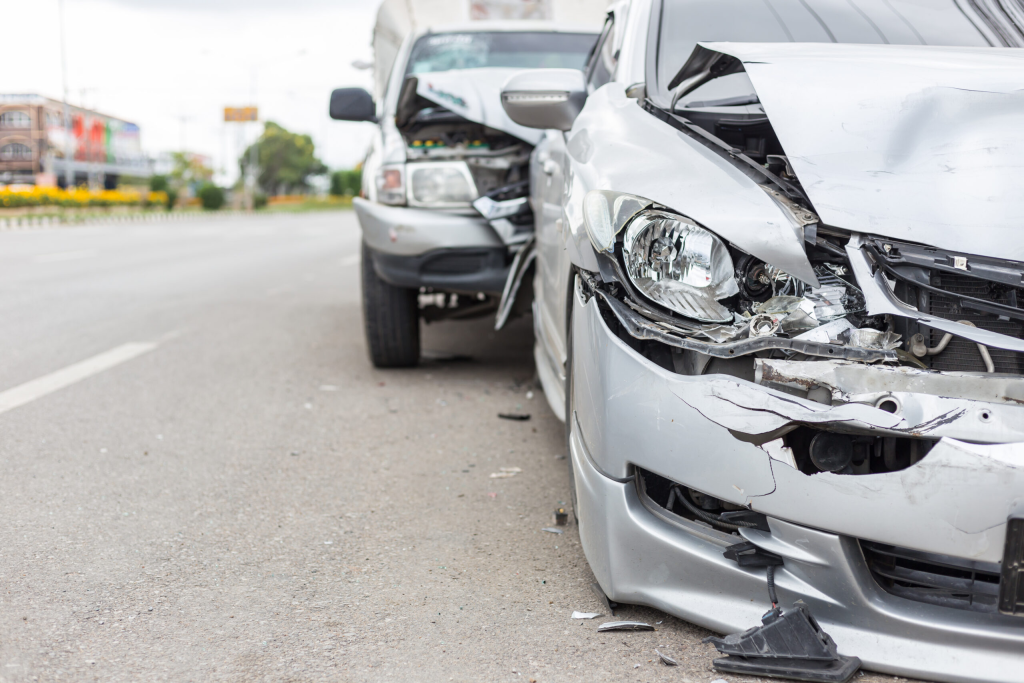
Car accidents are an unfortunate reality on Florida's roads. Being involved in a car accident can be overwhelming, particularly if your vehicle is declared a total loss. Understanding the steps to take in the aftermath is crucial, especially if you live in Southwest Florida, including areas like Lehigh Acres, Fort Myers, Cape Coral, Naples, and Port Charlotte. This guide will help you navigate the aftermath of a totaled vehicle, ensuring you receive the compensation you deserve. Understanding a Total Loss A car is considered totaled when the cost of repairs exceeds the vehicle's actual cash value. In Florida, this is determined by the insurance adjuster after assessing the damage. Knowing this definition will help you understand your insurance company's decision and prepare for the next steps. Step 1: Contact Your Insurance Company Immediately after the accident, contact your insurance company to report the incident. They will send an adjuster to evaluate the damage and determine if your car is a total loss. This step is crucial as it sets the stage for your claim process. Keep a record of all communications with your insurer for future reference. Step 2: Know Your Rights Florida law allows you to dispute your insurance company’s settlement offer if it seems unfair. Hiring an independent appraiser can provide you with a second opinion on your car's value. If negotiations fail, legal action might be necessary to recover a fair settlement. Step 3: Gather Evidence Collect and preserve evidence to support your insurance claim or potential lawsuit. Take photographs of the accident scene, the damage to your car, and any injuries you sustained. Obtain contact information from witnesses and keep receipts related to the accident, such as medical bills or car rental fees. Step 4: Understand Your Insurance Coverage Florida is a no-fault insurance state, meaning your own insurance should cover medical expenses and lost wages, irrespective of fault. If the other driver is at fault, you can potentially file a lawsuit to recover additional damages. Understanding your coverage will help you make informed decisions. Step 5: Consider Your Options If your car is totaled, assess your options carefully. Accepting the insurance settlement can help you purchase a new vehicle. Alternatively, you might consider repairing the car if feasible. Remember, if you still owe money on a car loan, you’ll need to continue payments until it’s fully paid off. Step 6: Consult with a Car Accident Lawyer If you're dissatisfied with your settlement or feel mistreated by your insurance company, consult a knowledgeable attorney. An experienced car accident lawyer can guide you through your rights and options, negotiate with your insurer, and ensure you receive fair compensation. In Southwest Florida, GBC Law is an excellent choice for legal representation in such cases. Step 7: Review All Documents Carefully Before signing any settlement agreements, review the documents thoroughly. Signing might waive your right to pursue additional legal actions. If in doubt, consult your attorney to clarify any uncertainties. Step 8: Prioritize Self-Care Taking care of your health is paramount after an accident. Seek medical attention even if injuries seem minor, as some symptoms might appear later. Follow your doctor’s advice and allow yourself time to recover. Step 9: Consider Future Costs Anticipate any long-term costs stemming from the accident. Serious injuries might require ongoing medical care, impacting your finances. Consider potential lost income if you're unable to work or face a permanent disability. Step 10: Keep Detailed Records Maintain comprehensive records of all interactions with your insurance company, healthcare providers, and other parties. This documentation will support your claim and legal actions if necessary. Step 11: Stay Patient The claims process can be lengthy, especially if disputes arise. Maintain communication with your attorney and insurer, and exercise patience as the process unfolds. At GBC Law, we understand the complexities of dealing with a totaled car after an accident. Our experienced personal injury lawyers are ready to assist you in navigating insurance claims and legal proceedings. For real help for real people, schedule your free consultation today. Let us guide you through this challenging time and work towards securing the compensation you deserve. Real help for real people— schedule your free consultation.
Qualifications to Look for in a Personal Injury Attorney
Learn about the qualifications to look for in a personal injury attorney among other commonly asked questions in this video. Give us a call. Whenever you are hurt as a result of the negligence of someone else or if a family member is hurt or killed, you should hire a personal injury attorney. Why? If there is an injury or a death then you have to be concerned for covering medical expenses, taking care of your family, and so on. Those factors can become very difficult for any person and can really throw a wrench in someone’s life. Hiring a personal injury attorney can help with those factors and more. When looking to hire a personal injury attorney, you want to know if that attorney is local, experienced, and is board certified in your state. We have four board certified trial attorneys which means that we have been certified by the Florida bar. The Florida bar is the managing organization for Florida attorneys. You want an attorney who has tried a lot of cases and who really has experience in all sorts of injury law, which we do. When doing your research to hire an attorney, you can look online at our website where you can see our attorneys and their different accomplishments, different verdicts we have had in front of different juries, and the type of law that we handle. Experience makes a big difference in the way an attorney works and we are offering free confidential consultations to get started on your case so we can help you. Give us a call our schedule your free consultation by going to our website. We look forward to hearing from you soon and helping you with your case. If you or a loved one has been severely injured, watch this video to learn the qualifications to look for in a personal injury attorney among other commonly asked questions. Then, contact our dedicated and experienced Southwest Florida Personal Injury Attorneys to schedule your free confidential consultation and legal case evaluation. Like us on Facebook
Relief Available for Water Contamination at Camp Lejeune
Marine Corps veterans have been trying for decades to get relief for health issues from water contamination at Camp Lejeune. This happened from 1953 to 1987 at Marine Corps Base Camp Lejeune in North Carolina. Investigations identified more than 70 chemicals in some of the wells at the base during this time. These harmful chemicals had concentrations from 240 to 3,500 times levels permitted by safety standards. As a result, people were drinking, bathing, washing their clothes and cooking in water potentially contaminated. Chemicals in the water included benzene, which is highly poisonous and can cause rapid death. Congress mandated a United State Military Corps online registry. More than 135,000 former base residents are on the list for possible exposure. At least 900,000 veterans, family members and civilian employees may have been exposed. Conditions associated with the contamination include: Various cancers Leukemia Miscarriage Female infertility Hepatic steatosis Myelodysplastic syndromes Neurobehavioral effects Non-Hodgkin’s lymphoma Renal toxicity Scleroderma Parkinson’s disease Multiple myeloma Mesothelioma, among others. What Happened to the Water at Camp Lejeune? Two of the eight water treatment plants at the base had contaminated water. Contamination likely came from an off-base dry-cleaning company, cleaning military equipment and underground fuel storage tanks. Water sampling in 1980 discovered the contamination at the base. However, action was not immediately taken. Exposed people were denied compensation or treatment for their injuries, while officials debated the potential of harm from the water. The first public statement on the contamination at Camp Lejeune was made in 1997. In 2005, veterans began filing more than 850 lawsuits against the government for harm. Four years later, the federal government began to investigate allegations as well as failures to act on the issue. The Janey Ensminger Act passed in August 2012. The law provides Veterans Affairs (VA) benefits for specific illnesses linked to contamination. But the VA has often denied claims and made the process difficult. In addition, the Centers for Disease Control and Prevention found in 2014 that the contaminated water increases the risk of multiple diseases, including liver cancer, kidney cancer and ALS. Still, in 2016, the court dismissed all 2005 lawsuits, saying federal and North Carolina law barred the claims. What has Changed for Camp Lejeune Residents Exposed to Contamination? On August 10, 2022, the Honoring Our Promise to Address Comprehensive Toxics Act of 2022 was signed into law by President Biden. The act allows Marine Corps veterans to seek compensation for health conditions related to contaminated water exposure at Camp Lejeune. It overrides the laws that barred previous lawsuits, allowing veterans two years from when the law was signed to sue the government for damages. Section 804 of that law, the Camp Lejeune Justice Act, provides damages for past injuries from Camp LeJeune toxic exposure. Also, it is the first law that provides compensation to the civilian family members of veterans stationed at the base as well as those who came onto the base for work. The new law allows veterans with certain service experience to seek compensation, even without proving an in-service injury or illness. Disability compensation usually requires evidence of a current disability, an in-service injury or illness, and a link between the illness and disability. Instead, the new law presumes exposure to contaminated water for active duty, reserve or National Guard in service at the base for a total of at least 30 days between Aug. 1, 1953, and Dec. 31, 1987, expanding the rights and benefits available to people exposed to toxic water while working or serving at Camp Lejeune. Exposed at Camp LeJeune? You Have Options The Camp Lejeune Justice Act of 2022 also outlines the Cost of War Toxic Exposures Fund. This fund is administered by the VA. Its purpose is to pay for health care and benefits associated with exposure to environmental hazards during military service. Exposed to contaminated water at Lake Lejeune from 1953 to 1987? You can get a free, no-obligation consultation. We will help you understand the actions you can take to protect your rights and to file a strong claim for the compensation you deserve. Filing a claim with the federal court is separate from filing a claim with the U.S. Department of Veterans Affairs. So, it is important to work with a qualified, knowledgeable attorney.
Personal Injury Case Expectations
Have you suffered an injury of someone being negligent and have questions about personal injury case expectations? Call our Florida lawyers. 1) Mistakes After a Your Injury Claim The value of a personal injury claim in Florida is what the question presents and that is it’s personal. These are personal injury claims, personal to you. The value of that claim depends on many factors and many things that go into looking at what that claim is worth. It starts from the insurance company’s perspective with your medical bills. What did it take to treat these conditions that resulted from the accident or the incident? The value of the claim also includes things like your wage loss if you missed work as a result of the accident and your injuries. That goes into determining a value of the claim. It’s so much more than that. The value of the claim is personal— how this claim has affected you, how it’s affected the way you go about your daily activities, the things that you enjoy doing, your hobbies, your interests. The value of the claim varies based upon many factors that go into a case. 2) Pre-Existing Injury Personal injury claims and pre-existing conditions are things that are at the forefront of most cases that are handled in Florida. Those are things that do impact cases. Insurance companies like to look at pre-existing conditions and try to blame the effects of the accident on those pre-existing conditions. Luckily, when you have an experienced attorney like us at Goldstein Buckley Cechman, Rice & Purtz, we know how to flip that argument on its head because what the law tells us is that simply because you were suffering from some form of pre-existing condition, be it a prior spinal cord injury, be it prior neck pain or back pain, just because you may have those things in the past doesn’t mean that you cannot collect damages you deserve from suffering an aggravation or an exacerbation of those prior conditions, again, things in your past that have been reignited, brought to life, and intensified as the result of the accident in question. While it is certainly something that is at the forefront of cases when those pre-existing conditions exist, having the right attorneys to know how to deal with those situations in the right context and how to make those situations most beneficial for you folks that suffer from those sort of things in your past is so paramount and important to making sure you are choosing the right attorneys. What we do when we get a case is, we certainly ask about the accident and your injuries as a result of the accident. What we do is take a deep dive into your medical past, not in an effort to undervalue your claim but in an effort to get that ammunition we need to try and prove what we know to be true, and that’s that the accident and the injuries more times than not have caused those underlying conditions to be reignited, brought to the forefront, and you are now suffering worse than you ever had before. 3) Taking the First Settlement Offer In Florida, insurance companies will make an initial offer generally early on in the process. More times than not, it is not advisable to take their initial offer. Insurance companies work to try to turn files over, which means get it off their desk and get you candidly out of their hair. What we do at Goldstein Buckley Cechman, Rice & Purtz is we put together comprehensive damages packets that we will send out to insurance companies at the right time. Timing is important because those first offers generally are not the best offers. We work hard to put together that information, give the insurance company all they need to evaluate your case, and the vast, vast majority of the time, we see offers increase as we continue to work through your case putting together the accident, your injuries, the damages, and how those have affected you. Holding out a little longer while time can obviously be a factor more times than not is generally in your best interest and we will be with you the full view of the way to get you to a point where you get to decide what justice is for you and what we should do with offers from the insurance company. 4) Medical Bills To have a personal injury claim in Florida, there is no minimum amount of medical bills necessary. Medical bills are an important part of your case because when evaluating your case, as insurance companies do, they like to see what those medical bills amount to and have to say. That is not the end all, be all in your personal injury case in the state of Florida. Your damages include things like economic damages, those would be the medical bills in the past that we just discussed. There is also the need for future medical care in the future. You also have a wage loss component to your case if that comes into play and you missed work as a result of the injury sustained in the accident or the incident. Then you also have a claim for what’s called loss of future earning capacity. That would mean that the accident and your injuries have hindered you from performing and earning money in the way that you did in the past. Above all those other economic dollars and cents type damages, there’s also damages in Florida for things called pain and suffering. It includes more than just pain and suffering. It includes inconvenience, what you had to go through as a result of the injuries, the medical care and treatment, and your ongoing issues. It includes your loss of capacity for enjoyment of life, those things that were near and dear to your heart that have been affected as a result of your injuries and your inability to perform as you did before. It also includes things like mental anguish and distress, what you have had to go through as a result of these trying times, these injuries that you’ve suffered, the medical care and treatment that you’ve had to endure. While medical expenses are a part of your claim, there is no concrete money dollar value that you must have in order to present a claim in Florida. It is all encompassing on the person and the personal aspect of these cases and that’s why they’re called personal injuries. Have you suffered a serious injury at the hands of someone who has been careless or negligent and have questions about personal injury case expectations? Contact our experienced Southwest Florida personal injury lawyers today for a free consultation and case evaluation. Like us on Facebook
Selecting the Right Injury Attorney
Were you severely injured? Learn what to look for when selecting the right injury attorney in this video. Then, contact our Florida attorneys. Question: How Do I Choose the Best Personal Injury Attorney? Answer: Choosing the right and the best personal injury attorney for you in any state let alone in Florida needs to be based upon trust. Trust is something that’s developed through all relationships. When you retain an attorney, the law defines that coming together of you and the attorney as an attorney-client relationship. Trust is a paramount factor in looking to retain the right and the best personal injury attorney for you. Trust is based on many things, including finding an attorney that cares and that is honest with you and your case, cares about you and looks out for your best interest, and is also honest with you about the proceedings and how the case is going to develop. It’s also important to look at an attorney that is responsible and respectful, respectful to you and your desires, not necessarily what some talking head on a TV screen may tell you is important but what it is about your case that’s important to you and also someone that is going to be responsible for your case from beginning to end, from the time you walk through the door to the time when we trial your case at trial when that becomes necessary in certain instances. We believe it’s important in looking for an attorney that fits that criteria in talking to your friends, your neighbors, your family members, people that have gone through the unfortunate circumstance that you may find yourself in. Ask them who they trust, ask them who cares about them and who showed them honesty, respect, and responsibility throughout the handling of their case. At Goldstein Buckley Cechman, Rice & Purtz, we look forward to the opportunity of showing you that we care, that we are responsible, and that you can trust us. We hope you’ll call us, and we hope we’re able to talk you through what it’s going to take to maximize justice for you and your case. Have you suffered a serious injury at the hands of someone who has been careless or negligent and have questions about what to look for when selecting the right injury attorney? Contact our experienced Southwest Florida personal injury lawyers today for a free consultation and case evaluation. Like us on Facebook
What You Should Know About an Injury
Were you or a loved one seriously injured due to another’s negligence? Here is what you should know about an injury. Contact our lawyers now. 1) Mistakes After a Personal Injury Claim The value of a personal injury claim in Florida is what the question presents and that is it’s personal. These are personal injury claims, personal to you. The value of that claim depends on many factors and many things that go into looking at what that claim is worth. It starts from the insurance company’s perspective with your medical bills. What did it take to treat these conditions that resulted from the accident or the incident? The value of the claim also includes things like your wage loss if you missed work as a result of the accident and your injuries. That goes into determining a value of the claim. It’s so much more than that. The value of the claim is personal— how this claim has affected you, how it’s affected the way you go about your daily activities, the things that you enjoy doing, your hobbies, your interests. The value of the claim varies based upon many factors that go into a case. At Goldstein Buckley Cechman, Rice & Purtz, we look to maximize that value based upon what you, our client, is looking for to fully compensate and receive justice as a result of this accident that was not your fault. We put the pieces together with you very early on and continuing throughout the course of your case to make sure that we are maximizing value based upon your desires to search for justice for you. 2) Pre-Existing Injury Personal injury claims and pre-existing conditions are things that are at the forefront of most cases that are handled in Florida. Those are things that do impact cases. Insurance companies like to look at pre-existing conditions and try to blame the effects of the accident on those pre-existing conditions. Luckily, when you have an experienced attorney like us at Goldstein Buckley Cechman, Rice & Purtz, we know how to flip that argument on its head because what the law tells us is that simply because you were suffering from some form of pre-existing condition, be it a prior spinal cord injury, be it prior neck pain or back pain, just because you may have those things in the past doesn’t mean that you cannot collect damages you deserve from suffering an aggravation or an exacerbation of those prior conditions, again, things in your past that have been reignited, brought to life, and intensified as the result of the accident in question. While it is certainly something that is at the forefront of cases when those pre-existing conditions exist, having the right attorneys to know how to deal with those situations in the right context and how to make those situations most beneficial for you folks that suffer from those sort of things in your past is so paramount and important to making sure you are choosing the right attorneys. What we do when we get a case is, we certainly ask about the accident and your injuries as a result of the accident. What we do is take a deep dive into your medical past, not in an effort to undervalue your claim but in an effort to get that ammunition we need to try and prove what we know to be true, and that’s that the accident and the injuries more times than not have caused those underlying conditions to be reignited, brought to the forefront, and you are now suffering worse than you ever had before. While pre-existing conditions certain points in time can be detrimental to a case, if you have the right attorneys looking at it in the right light, we can work to make those work in your benefit as opposed to your detriment. 3) Taking the First Personal Injury Settlement Offer In Florida, insurance companies will make an initial offer generally early on in the process. More times than not, it is not advisable to take their initial offer. Insurance companies work to try to turn files over, which means get it off their desk and get you candidly out of their hair. What we do at Goldstein Buckley Cechman, Rice & Purtz is we put together comprehensive damages packets that we will send out to insurance companies at the right time. Timing is important because those first offers generally are not the best offers. We work hard to put together that information, give the insurance company all they need to evaluate your case, and the vast, vast majority of the time, we see offers increase as we continue to work through your case putting together the accident, your injuries, the damages, and how those have affected you. Holding out a little longer while time can obviously be a factor more times than not is generally in your best interest and we will be with you the full view of the way to get you to a point where you get to decide what justice is for you and what we should do with offers from the insurance company. Have you suffered a serious injury at the hands of someone who has been careless or negligent and have questions about what you should know about an injury? Contact our experienced Southwest Florida personal injury lawyers today for a free consultation and case evaluation. Like us on Facebook
Eyes on the Road! National Teen Driver Safety Week 2020
National Teen Driver Safety Week, which is Oct. 18-24, is designed to raise awareness of teen driving risks among parents and teenagers. The pandemic paused graduations and proms, but one rite of passage has not been put on hold for most teenagers. Teens are still able to get their driver’s license starting at age 16. Getting behind the wheel can be one of the most exciting and dangerous times in a teenager’s life. Car crashes are the leading cause of death for teens 17-18 years old in the United States. As a result, driving for teenagers is more deadly than all other types of injury, disease or violence. Safety During COVID-19 Although more people are off the roads, staying at home during the pandemic, driving is still dangerous. A report from the National Safety Council (NSC) shows that even while people were driving less during March, deaths per miles driven that same month increased 14% over March 2019. With less traffic, safety experts predict that more drivers are speeding or driving recklessly. Studies show that teen drivers already speed and have other risky habits. Their lack of experience means they don’t always respond well to hazards. Teen Driver Safety Issues Inexperience contributes to thousands of teen car crashes each year. According to the NSC: 2 million teens under the age of 18 are in their first year of driving. 40% of teen crashes happen at night. Each year, drivers under age 18 are involved in 900,000 crashes. Of drivers of all ages, 16- to 19-year-olds are most likely to be in a fatal crash. The U.S. Department of Transportation’s National Highway Traffic Safety Administration notes that the greatest dangers for teen drivers are: Alcohol consumption Inconsistent or no seat belt use Distracted driving (most often cell phone use and texting) Speeding Driving with passengers in the vehicle What Parents Can D o As a result, the NSC is interested in reducing the number of teen driver crashes by providing online educational resources. The organization offers a program for parents and teen drivers, called DriveitHome. The program offers resources and tips for parents to help their teens become safer drivers, including: Sign the New Driver Deal, an agreement between you and your teen about the rules and expectations when they get behind the wheel. Use Pointers for Parents for tips and lessons you can practice with your teen. Parents can sign up to get a new teen driving lesson each week. Spend 30 minutes a week driving with your teen even after they get their license. Also, studies have found that the cars teenagers drive have an impact on their safety. Teenagers are the riskiest drivers, often driving vehicles that are less safe, according to the Insurance Institute for Highway Safety (IIHS). Teenagers often drive micro–, mini– and small cars, with more than two-thirds of teens driving vehicles that are between 6 and 15 years old. These cars are less likely to have safety features such as side airbags and electronic stability control, which are now universal. Safe Used Cars for Teens To address the issues of vehicle choice, IIHS compiles a list of safe, used vehicles. This year, the Institute partnered with Consumer Reports to incorporate reliability ratings, emergency handling and braking tests. Parents don’t need a designated week to talk to their teens about safe driving. Driving for adults and teenagers is a privilege, not a right. Teaching your teen good driving habits is important for the safety of your teen, passengers and other drivers. If you or someone you know has been injured in a crash due to the negligence of another driver, seek advice from Goldstein, Buckley, Cechman, Rice & Purtz.
Understanding Cape Coral, Florida’s PIP Coverage
Cape Coral, Florida, known for its stunning waterfront views and outdoor recreational opportunities, is a beautiful city nestled on the Gulf Coast. While Cape Coral offers residents and visitors a tranquil paradise, it’s essential to be informed about various aspects of life in this idyllic setting, including personal injury protection (PIP) coverage. What is PIP Coverage? Personal Injury Protection (PIP) coverage is an integral component of auto insurance in Florida, including Cape Coral. It is a type of no-fault insurance that provides benefits to individuals involved in auto accidents, regardless of who is at fault. PIP coverage aims to ensure that medical expenses and lost wages are covered promptly after an accident, reducing the need for lengthy legal battles. Why is PIP Coverage Important in Cape Coral? Understanding the significance of PIP coverage in Cape Coral is crucial for both residents and visitors. Here are some reasons why PIP coverage is vital: No-Fault System: Florida operates under a no-fault insurance system, which means that after an accident, individuals turn to their own insurance providers for compensation rather than suing the at-fault driver. PIP coverage plays a pivotal role in this system by ensuring prompt medical expense coverage. Quick Access to Medical Care: Cape Coral’s roads are shared by both residents and tourists, and accidents can happen to anyone. PIP coverage provides quick access to medical care, ensuring that injured parties receive treatment without delay. This is especially important in a city where access to quality healthcare is essential. Coverage for Non-Drivers: PIP coverage extends to pedestrians and cyclists involved in auto accidents, making it particularly significant in a city like Cape Coral, where outdoor activities and walking along scenic pathways are common. Protection Against Financial Hardship: PIP coverage helps prevent individuals from experiencing financial hardship due to medical bills and lost wages resulting from an accident. This is especially important in a city where tourism and seasonal employment are significant factors. Key Components of PIP Coverage To better understand PIP coverage in Cape Coral, it’s essential to be aware of its key components: Medical Expenses: PIP coverage typically covers medical bills related to the accident, including hospital visits, surgeries, rehabilitation, and other necessary treatments. This coverage can be crucial in ensuring that accident victims receive proper medical care. Lost Wages: If you are unable to work due to injuries sustained in an auto accident, PIP coverage can help replace a portion of your lost income, allowing you to cover everyday expenses while you recover. Funeral Expenses: In tragic cases where an accident results in a fatality, PIP coverage can also help with funeral and burial expenses, easing the financial burden on the deceased’s family. Survivor’s Benefits: PIP coverage may provide survivor’s benefits to the dependents of a person who dies as a result of a car accident. Minimum PIP Coverage Requirements in Florida In Florida, including Cape Coral, there are minimum requirements for PIP coverage. As of my last knowledge update in September 2021, the minimum PIP coverage requirements were: – $10,000 for medical and disability benefits. – $5,000 for death benefits. It’s essential to keep in mind that insurance regulations can change over time, so it’s advisable to consult with a local insurance agent or check the latest Florida Department of Highway Safety and Motor Vehicles (FLHSMV) guidelines to ensure compliance with current regulations. Understanding PIP coverage is essential for anyone residing in or visiting Cape Coral, Florida. This type of no-fault insurance provides critical protection for medical expenses, lost wages, and other accident-related costs. By staying informed about PIP coverage and its significance, individuals can navigate the roadways of Cape Coral with greater peace of mind, knowing that they have financial protection in the event of an accident. How can Goldstein, Buckley, Cechman, Rice & Purtz, P.A help you on Car Accident cases in Florida At Goldstein, Buckley, Cechman, Rice & Purtz, P.A., we understand that car accidents can be life-altering events. If you’ve been involved in a car accident in Florida, our dedicated team of attorneys is here to help you navigate the complex legal process and ensure you receive the compensation you deserve. Here’s how we can assist you with car accident cases in the Sunshine State: Extensive Experience: Our firm has been serving clients in Southwest Florida for over five decades, establishing a strong track record of successful car accident cases. We have the knowledge and experience necessary to handle a wide range of accident scenarios, from minor fender benders to catastrophic collisions. Personalized Legal Representation: We understand that every car accident case is unique. When you choose us as your legal advocates, you can expect personalized attention from our skilled attorneys. We’ll take the time to listen to your story, understand your specific circumstances, and tailor our legal strategy to meet your needs. Investigative Experience: Proving fault and liability is crucial in car accident cases. Our team has access to resources and experts who can thoroughly investigate your accident. We’ll collect evidence, interview witnesses, analyze accident reports, and work diligently to establish liability. Maximizing Compensation: After a car accident, you may be entitled to various forms of compensation, including medical expenses, lost wages, property damage, pain and suffering, and more. Our attorneys are committed to maximizing the compensation you receive, ensuring you are not burdened with financial hardships caused by the accident. Dealing with Insurance Companies: Insurance companies often try to minimize payouts to accident victims. Our experienced attorneys are well-versed in negotiating with insurance companies and can handle all communications on your behalf. We’ll strive to secure a fair settlement that covers your losses. Courtroom Advocacy: While many car accident cases are resolved through negotiations, some may require litigation. If your case goes to court, our skilled trial attorneys will represent you aggressively and effectively, advocating for your rights in front of a judge and jury. Peace of Mind: Dealing with the aftermath of a car accident can be overwhelming. By entrusting your case to Goldstein, Buckley, Cechman, Rice & Purtz, P.A., you can focus on your recovery and well-being while we handle the legal complexities. We’ll keep you informed every step of the way, providing you with peace of mind during a challenging time. No Upfront Fees: We understand that financial concerns may arise after an accident. That’s why we work on a contingency fee basis, which means you don’t pay us unless we successfully recover compensation for your case. If you’ve been involved in a car accident in Florida, don’t navigate the legal process alone. Let Goldstein, Buckley, Cechman, Rice & Purtz, P.A. be your trusted advocates. We’re here to provide you with experienced legal representation, guide you through the process, and fight for your rights. Your recovery and well-being are our top priorities. Contact us today to schedule a consultation and take the first step towards seeking the compensation you deserve.
Toy Safety Is Especially Important This 2020 Holiday Season
Knowing that more children are playing at home during the pandemic, toy safety is more important than ever. One child is treated in a U.S. emergency room every three minutes for a toy-related injury. World Against Toys Causing Harm, Inc., WATCH, a nonprofit organization working to educate the public about child safety, has a 48-year holiday tradition: its list of the “10 Worst Toys.” Additionally, since last year’s WATCH list, the U.S. Consumer Product Safety Commission (CPSC) has announced recalls of ten toys that could lead to serious injury or death. Online Toy Safety Shopping Risks Also, with shoppers looking to limit store visits and avoid holiday crowds, more people are buying products online. In October, online toy sales jumped 85% from the same time last year. But shopping online removes the opportunity to physically examine the toy. Unsafe or recalled toys may resurface on second-hand online sites such as eBay. In addition, online product descriptions may omit warnings or provide incomplete and misleading information. For these reasons, learn more about product recalls at safekids.org/product-recalls. Safe Kids compiles product recalls specific to children and sends twice-monthly e-mail alerts for recent recalls. Information is also available at the U.S. Consumer Product Safety Commission (CPSC). However, even toys that meet regulations may not be appropriate for all children’s intellect and physical ability within a toy’s designated age range. Children should be supervised when playing with any toys to make sure toys are being used as intended. Ten Toys to Avoid in 2020 The following toys are on this year’s WATCH list: My Sweet Love Lots to Love Babies Minis, ages 2+. Hazard: Potential for ingestion and choking Calico Critters Nursery Friends, ages 3+. Hazard: Potential for choking WWE Jumbo Superstar Fists, ages 3+. Hazard: Potential for blunt force and impact injuries Star Wars Mandalorian Dark saber, ages 4+. Hazard: Potential for blunt force and eye injuries Missile Launcher, ages 5+. Hazard: Potential for eye and facial injuries Marvel Avengers Vibranium Power FX Claw, ages 5+. Hazard: Potential for eye and facial injuries Gloria Owl, 12 months+. Hazard: Potential for ingestion and aspiration Scientific Explorer Sci-Fi Slime, ages 10+. Hazard: Potential for chemical-related injuries The Original Boomerang Interactive Stunt UFO, ages 8+ Hazard: Potential for cutting and propeller-related injuries Boom City Racers Starter Pack, ages 4+ Hazard: Potential for eye and face injuries Tips for Toy Safety WATCH has shared these tips for toy safety. When evaluating toys, look out for: Hazards, such as small parts that can be choking hazards for babies Battery operated toys for children under 8 years old, since batteries may leak, overheat or explode Toys that encourage aggressive play or violence Instructions or warnings that are unrealistic to follow Defects, poor design and hidden hazards Toys with fur or hair that may come off and be ingested Projectile toys that can harm faces or eyes Removable attachments at the end of laces and strings that could strangle small children Pointed tips or sharp edges that can pierce skin Toys to be strung across cribs or playpens that can result in strangulation deaths and injuries Electrical toys that do not have step-down transformers to reduce the risk of shock or electrocution Toxic surfaces or components that can be ingested or cause skin irritations. Get more toy safety tips from WATCH at ToySafety.org, as well as at healthychildren.org and safekids.org. What To Do If a Toy Injures Your Child Toys should be a joyful part of the holidays. Should your child be injured by defective toys, our personal injury attorneys can assist in recovering compensation for medical bills, treatments, childcare and other costs.

Goldstein, Buckley, Cechman, Rice, Purtz, Smith & Smith, P.A., is a personal injury firm representing those injured by the wrongdoing of others in Southwest Florida since 1962. The firm’s experienced attorneys are board certified by the Florida Bar, and their areas of practice include personal injury and accidents, trip, slip and fall, pedestrian accidents, wrongful death, motorcycle, and boat and truck accidents. Attorneys can be reached by calling 239-500-HURT.
Practice Areas
Our Locations
-
Fort Myers
(239) 441-20091515 Broadway, Fort Myers, FL 33901
-
Cape Coral
(239) 441-2091461 Del Prado Blvd S, Cape Coral, FL 33990
-
Naples
(239) 397-36912590 Northbrooke Plaza Dr, Naples, FL 34119
-
Lehigh Acres
(239) 441-20644802 Lee Blvd, Lehigh Acres, FL 33971
-
Port Charlotte
(941) 336-31042602 Tamiami Trl, Port Charlotte, FL 33952